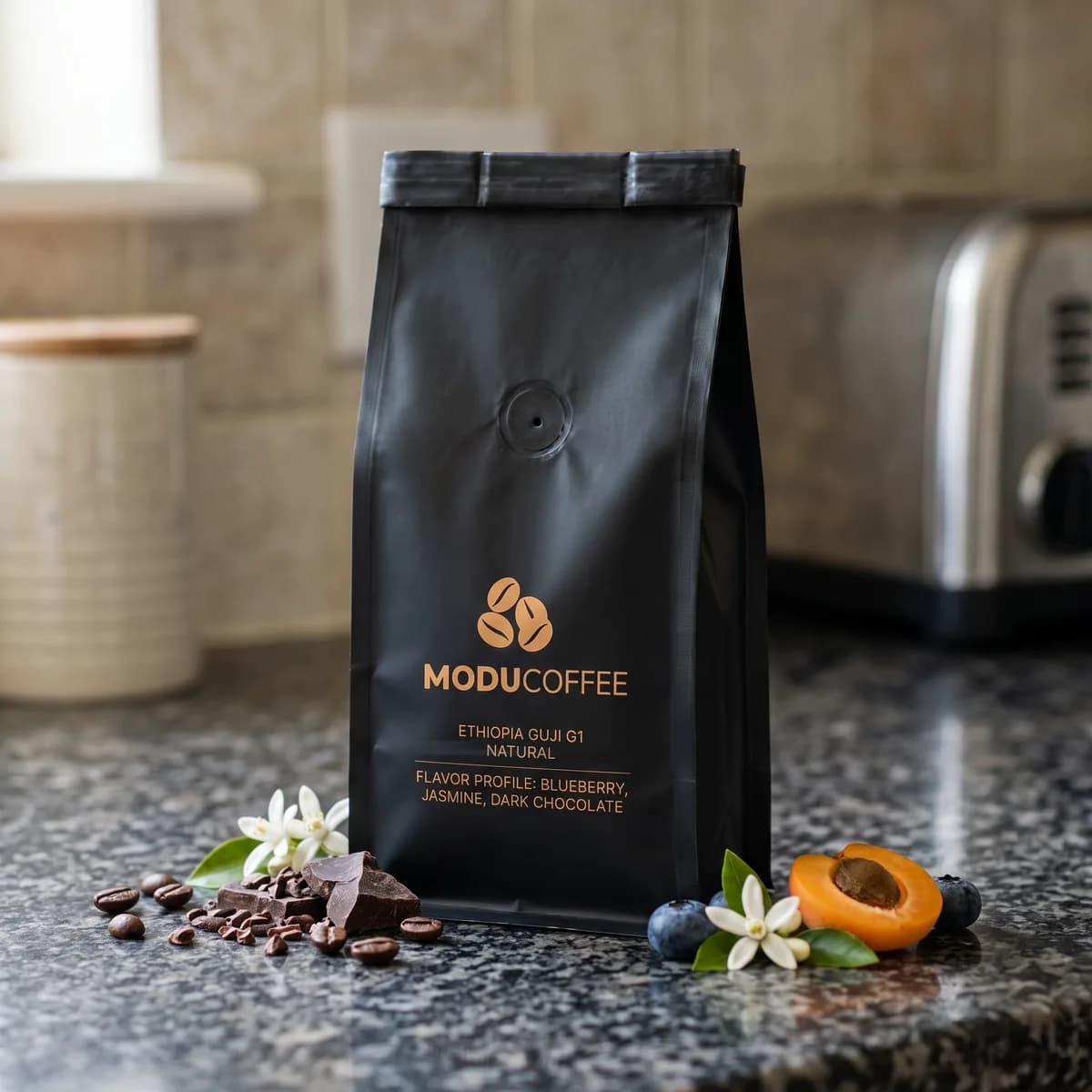
Ethiopia Guji
$19.99
Guji · Natural
Blueberry · Jasmine · Dark chocolate
Our next small-batch roast opens on January 1, 2027. Join the list to be first in line.

Specialty whole bean coffee
Specialty coffee, roasted to order and shipped fresh, every month.
Our coffees
The collection
$19.99
Guji · Natural
Blueberry · Jasmine · Dark chocolate
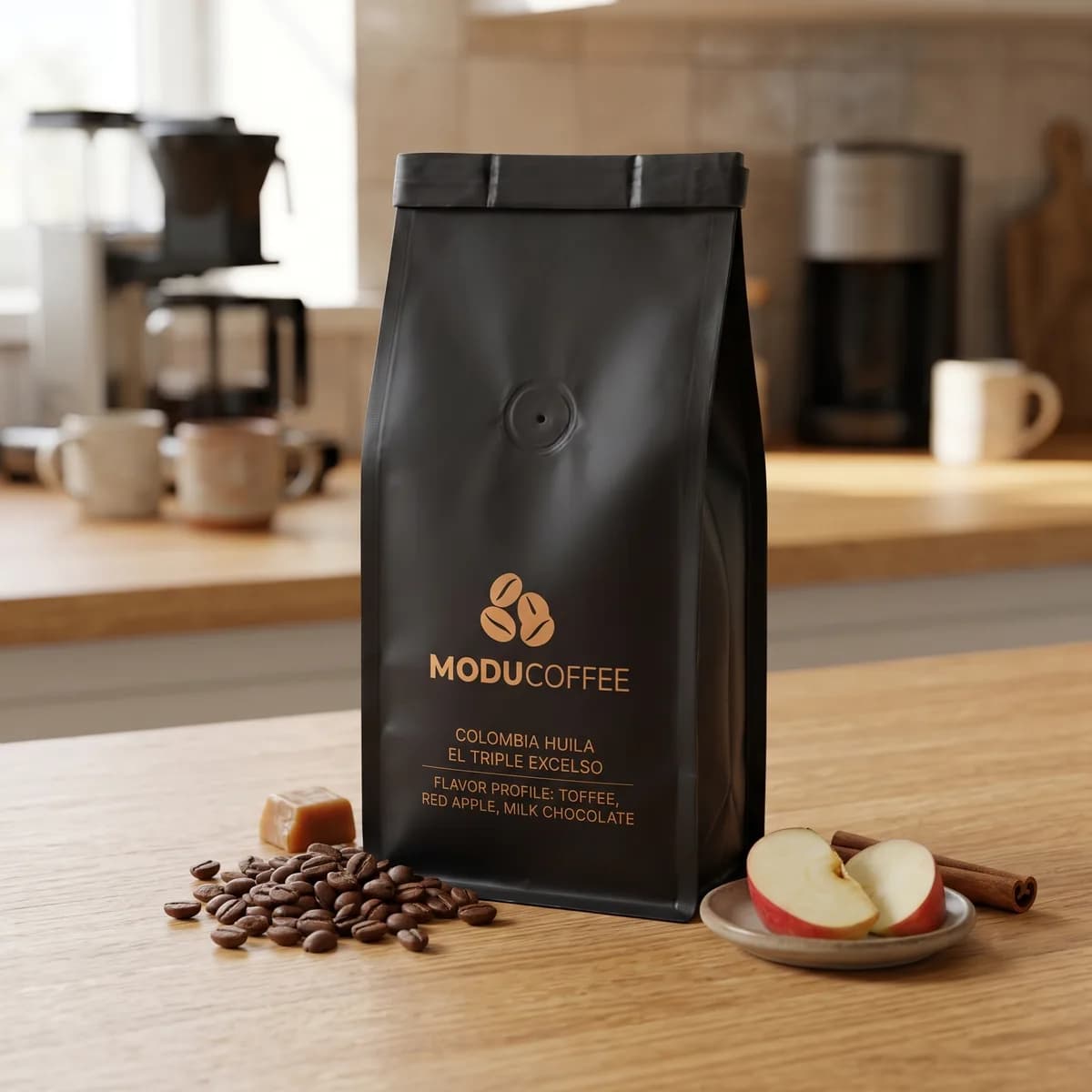
$19.99
Huila · Washed
Toffee · Red apple · Milk chocolate
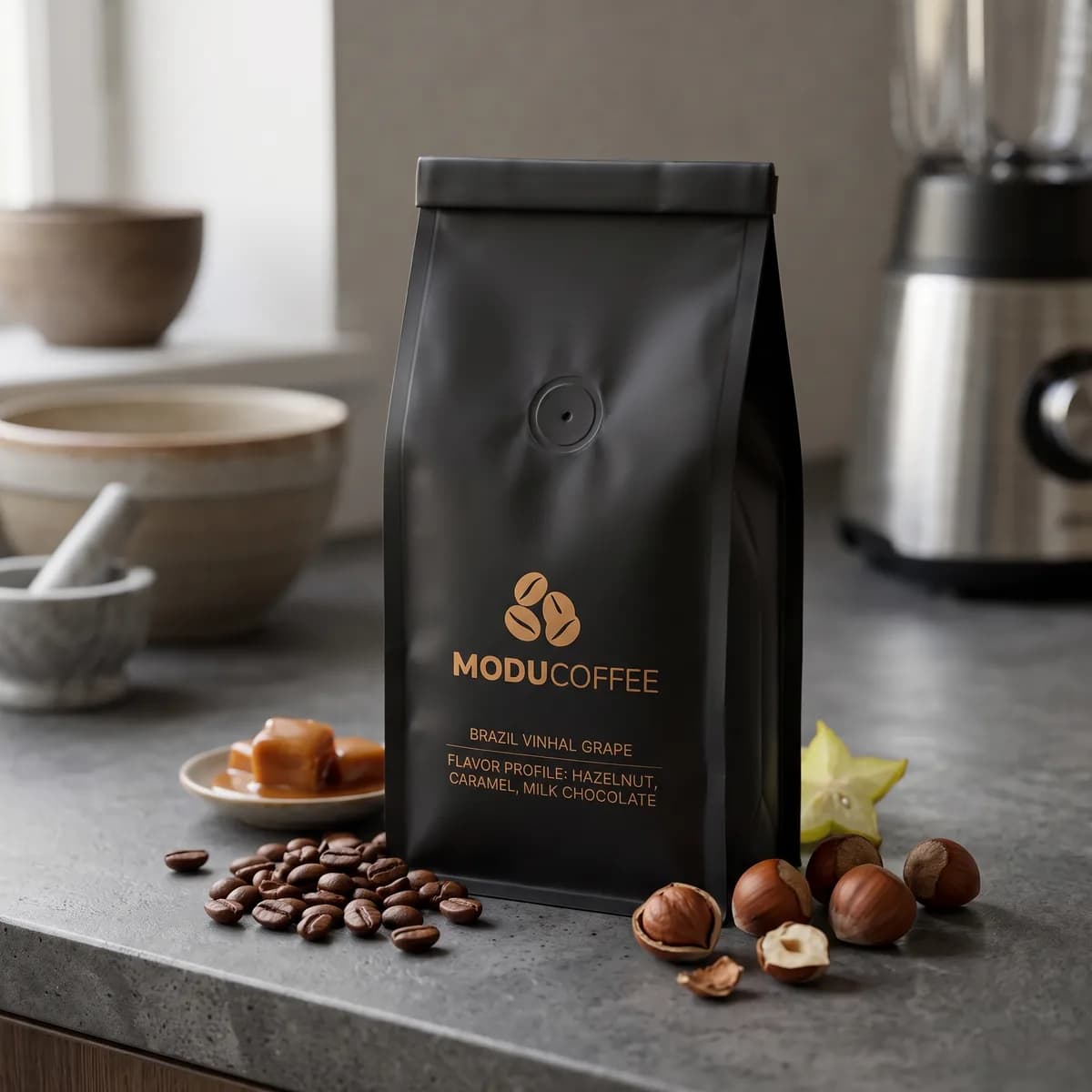
$19.99
Cerrado
Hazelnut · Caramel · Milk chocolate
From source to cup
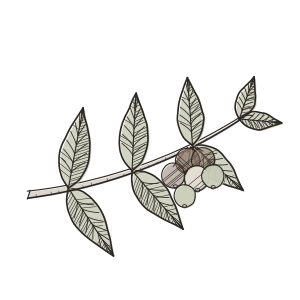
01
Coffee is the seed of a fruit, ripening on the tree at altitude.
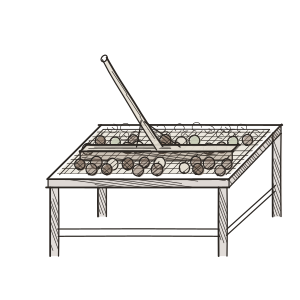
02
Cherries are washed or dried in the fruit, which shapes the flavor.
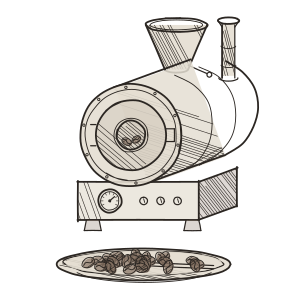
03
Heat turns the green seed brown, sweet and aromatic.
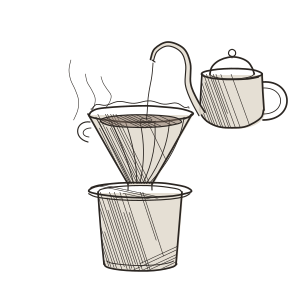
04
Ground fresh, just before you brew.
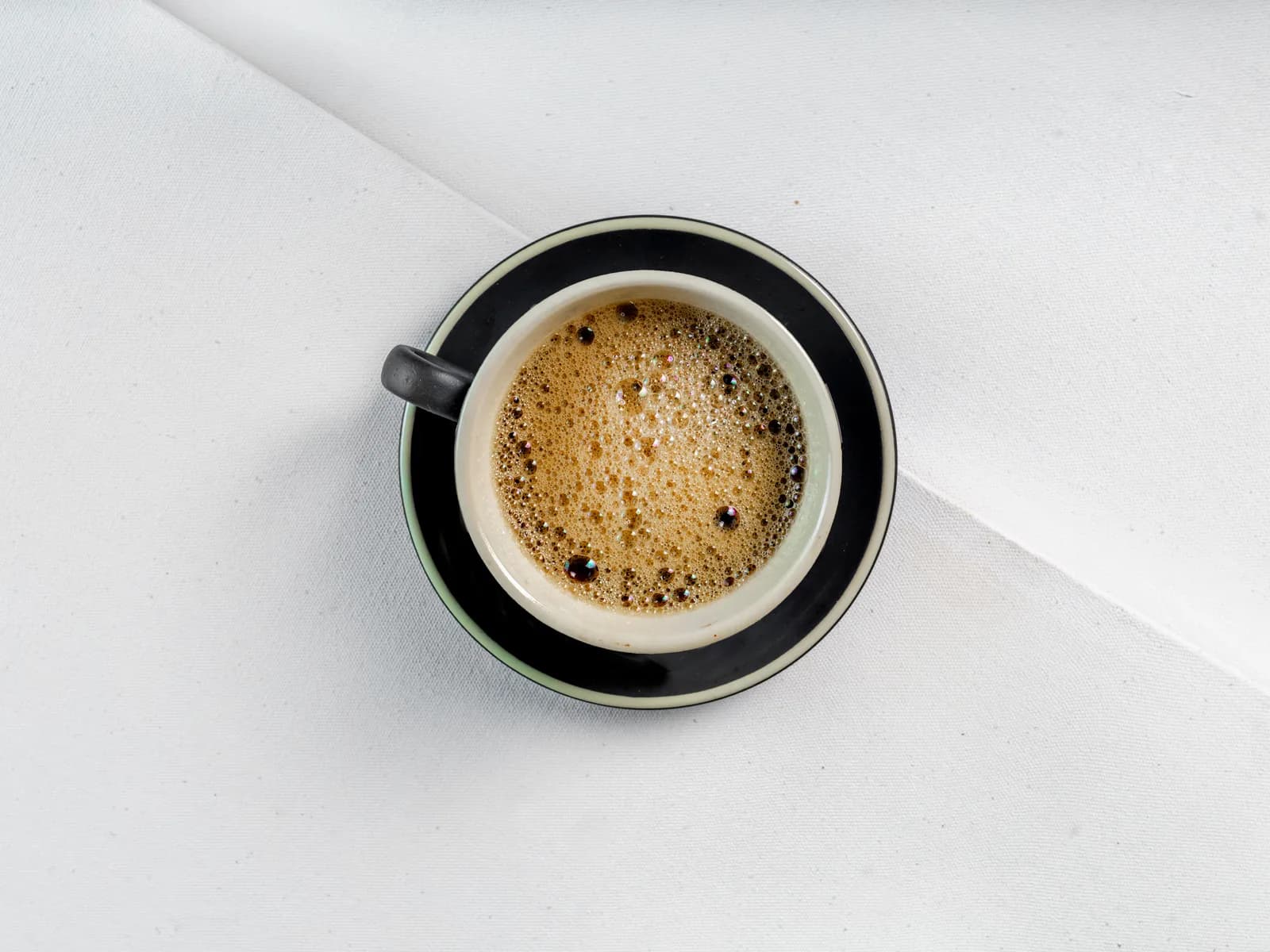
The ritual
Whole beans keep their character until the moment you grind. Starting points for three favorite methods:
Origins
The world’s five largest coffee producers, and what their beans are known for.
In our range
63.0 million bags
Arabicagrown mainlyRobustaalso grown
The world's largest producer.
Nutty and chocolatey, low in acidity.
31.7 million bags
Arabicaalso grownRobustagrown mainly
The leading Robusta producer.
Strong and intense, with a bitter edge.
In our range
12.5 million bags
Arabicagrown mainlyRobustanot grown
Known for washed Arabica.
Balanced, with caramel sweetness and bright acidity.
12.4 million bags
Arabicaalso grownRobustagrown mainly
Known for full-bodied Sumatran coffee.
Earthy and full-bodied, low in acidity.
In our range
11.6 million bags
Arabicagrown mainlyRobustanot grown
Where Arabica began.
Floral and fruity, with bright acidity.
Grown mainly Also grown
Production: 2025/26 crop year, millions of 60 kg bags (estimate). Source: USDA Foreign Agricultural Service. Other lines are general traits; individual lots vary.